
A water bill that suddenly jumps can have several causes, including a running toilet, an irrigation problem, increased household usage, or a hidden plumbing leak. Before assuming something is wrong with your pipes, check whether your water consumption actually increased and whether the billing period or rates changed. If those numbers don't explain the difference, a simple water meter test can help you narrow down the problem.
For homeowners in Spring, The Woodlands, and Greater Houston, the good news is that many causes of a high water bill can be investigated without special tools. Here's where to start, what to look for, and when it's time to call a plumber.
A Surprise Water Bill in Spring, Texas
Picture a family living in a two-story home in Spring, built in the 1990s on a concrete slab. One month, their water bill arrives, and it's considerably higher than usual. Nobody had guests. Nobody filled a pool. There are no puddles on the floor or obvious dripping faucets.
Their first instinct is to assume the utility company made a mistake. That's possible, but the increase could also point to a plumbing issue that hasn't become visible yet.
This is a hypothetical family, but it's a situation we see with homeowners throughout the Houston area. Let's walk through how we'd recommend investigating the problem, starting with the simplest explanations.
Step 1: Check Your Water Bill Before Checking Your Pipes
The first thing to determine is whether you're actually using more water or simply paying more for it.
Compare the number of gallons used on your latest bill with the same month last year. Looking only at the dollar amount can be misleading because water and sewer rates, billing periods, and other charges may change.
Houston-area summers can also bring increased irrigation use, particularly during long stretches of hot, dry weather. A sprinkler system running more frequently than usual can increase your bill without any plumbing failure.
Before moving on, ask yourself a few questions:
- Did the sprinkler schedule change, or did a power outage reset the controller?
- Has anyone noticed a broken sprinkler head, soggy area, or unusually green patch in the yard?
- Does the bill cover more days than your previous statement?
- Has your household been doing more laundry, filling a pool, or using additional water outdoors?
- Did your water provider change its rates or billing structure?
If your bill shows an unexpected increase in gallons used and nothing about your household routine has changed, it's worth investigating further.
If the usage numbers look normal but the charges are unusually high, contact your water provider to review the bill before assuming you have a leak.
In our Spring family's case, the billing period and rates haven't changed, and their water usage has climbed noticeably. Their irrigation schedule also looks normal. That gives them a reason to check whether water is flowing when no one is using it.
Step 2: Check Your Water Meter for Unexplained Usage
Your water meter is one of the most useful tools for investigating an unexpectedly high bill. It measures how much water passes through your service connection, even when you can't see where that water is going.
Here's a simple test you can try at home:
- Turn off all faucets and water-using appliances, including the washing machine, dishwasher, ice maker, and irrigation system.
- Find your water meter. In many Spring and The Woodlands neighborhoods, it's located in a ground-level box near the curb or property line.
- Check the meter for a small leak indicator, which may look like a triangle, star, or spinning wheel. Digital meters may display flow information differently.
- Record the meter reading and avoid using any water for approximately two hours.
- Check the meter again. If the reading has increased despite no intentional water use, you may have a leak or another source of unexpected water consumption.
The EPA's WaterSense home maintenance guidance recommends comparing water meter readings during a period when no water is being used to help identify possible leaks.
Helpful Tip: If you have a main shutoff valve where water enters the house, closing it may help narrow down the leak's location. If the meter keeps moving, the problem may be between the meter and that shutoff valve. If it stops, the leak may be in plumbing supplied through the valve. Keep in mind that sprinkler lines sometimes branch off before the house shutoff, so an irrigation leak can resemble a service-line leak. The results depend on your home's plumbing layout.
For our Spring family, the leak indicator is moving slowly, even with everything turned off. When they close the house shutoff valve, it stops. That points toward plumbing supplied through the valve, so they begin checking the fixtures inside.
Step 3: Look for Common Plumbing Problems That Raise Water Bills
Not every leak leaves a puddle. Some of the most wasteful plumbing problems are surprisingly easy to miss, especially when water is escaping into a drain rather than onto the floor.
Here's where we recommend checking first:
| Where to Look | What to Check | Warning Sign |
|---|---|---|
| Toilets | Flapper, fill valve, and overflow tube | Tank refills on its own or you hear running water |
| Faucets and showers | Spouts, handles, and showerheads | Persistent dripping after the fixture is turned off |
| Water heater | Tank base, drain valve, and relief valve discharge line | Unexplained water in the pan or around the unit |
| Under sinks | Supply lines, connections, and shutoff valves | Damp cabinets, swelling, or musty odors |
| Appliances | Washing machine hoses, ice maker lines, and dishwasher connections | Moisture behind or underneath the appliance |
| Irrigation system | Sprinkler heads, valves, and underground connections | Unexpected wet spots or water use outside scheduled watering |
Could a Running Toilet Be Causing Your High Water Bill?
Absolutely. Toilets are one of the first places we recommend checking because they can waste water without leaving any visible evidence on the floor.
A worn flapper or malfunctioning fill valve may allow water to run continuously into the bowl. Sometimes you'll hear it. Other times, the leak is almost silent.
Try putting a few drops of food coloring in the toilet tank. Wait about 10 to 15 minutes without flushing. If color appears in the bowl, water is leaking from the tank into the bowl. A worn flapper is a common cause, although other flush-valve problems can produce the same result. Flush afterward to avoid staining.
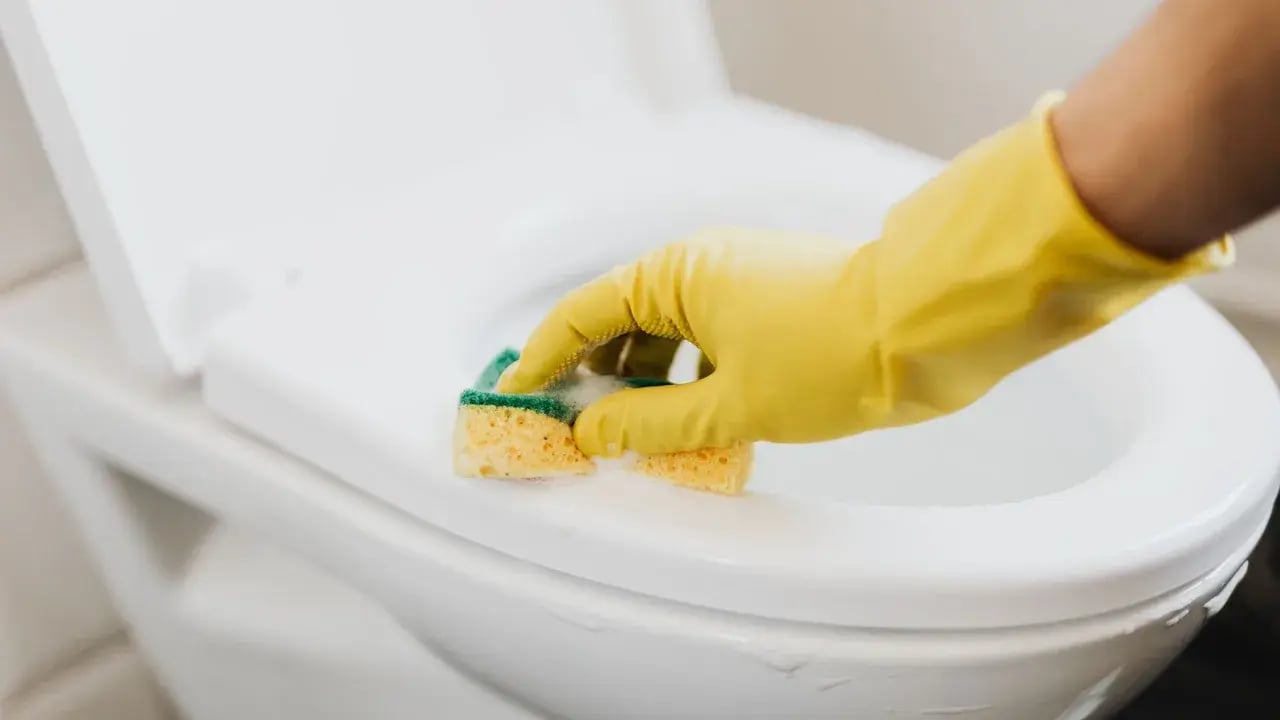
These small leaks are worth addressing. According to the EPA's WaterSense program, the average family's household leaks can waste approximately 9,400 gallons of water annually. That figure includes common problems such as leaking toilets, faucets, and other fixtures.
For our Spring family, the toilets pass the dye test, the faucets aren't dripping, and there are no visible leaks around the appliances. Their meter still shows unexplained water use, which means it's time to consider a less obvious source.
Step 4: Could a Hidden Slab Leak Be Raising Your Water Bill?
Many homes in Spring, The Woodlands, and Greater Houston have concrete slab foundations, with water supply lines running beneath or through the slab. When one of those lines develops a leak, the water may escape into the surrounding soil without appearing inside the house.
Houston's clay-heavy soil can also expand during wet periods and contract during droughts. Over time, ground movement and other factors can place stress on buried plumbing.
That doesn't mean every unexpected water bill is caused by a slab leak. But if you've ruled out common fixtures and your meter still shows unexplained use, it's something worth investigating.
Possible warning signs include warm spots on floors, persistent sounds of running water, damp carpet, warped flooring, unexplained moisture, or reduced water pressure. New cracks can also deserve attention when they appear alongside other signs of a leak, although cracks alone don't establish a plumbing problem.
In our family's case, they notice a section of hallway tile that feels unusually warm. Combined with the meter readings and the absence of visible leaks, that's enough reason to call a plumber.
Locating a possible slab leak requires more than guessing where to break through the floor. Our slab leak repair services focus on identifying the likely source and reviewing the appropriate repair options before access work begins.
When Does a High Water Bill Mean You Should Call a Plumber?
If you've confirmed that your water usage has increased but can't find the cause, professional leak detection can help narrow down the problem.
Depending on what we're seeing, we may use pressure testing to isolate a leaking supply line, acoustic equipment to listen for escaping water, or thermal imaging to identify temperature patterns that suggest a hidden leak. Thermal cameras don't directly see water inside pipes, so we consider their findings alongside other evidence.
We also look at the age and condition of the plumbing before recommending repairs. Sometimes a localized repair is appropriate. In other situations, rerouting a line or discussing broader repiping options may make more sense.
If you want a closer look at how plumbers locate hidden leaks, read our guide to professional leak detection services.
If water is actively damaging your home, shut off the supply if you can do so safely and contact an emergency plumber. A rapidly developing leak shouldn't wait for another billing cycle.
What About Water Leak Sensors?
Water leak sensors can be a useful addition to your home's plumbing precautions, especially around appliances and fixtures where leaks are likely to occur.
Basic moisture sensors sit near water heaters, washing machines, or under sinks and alert you when water reaches them. Some send notifications to your phone, while certain whole-home monitoring systems can recognize unusual water flow and automatically shut off the supply.
These devices have limitations. A small floor sensor won't detect a leak buried beneath your foundation unless water reaches its location. Whole-home flow monitoring systems may identify unusual consumption patterns, but professional testing may still be necessary to find the source.
The EPA explains the differences between moisture sensors and flow-monitoring systems for homeowners considering these devices.
How Our Spring Family's Story Ends
After checking their billing information, running the meter test, and ruling out common indoor leaks, the family calls for help. The warm hallway floor provides another clue, and testing identifies a leaking hot water line beneath the slab.
With the problem narrowed down, the family can review repair options instead of opening multiple areas of flooring just to search for the leak.
Of course, not every high water bill ends with a slab repair. Sometimes the answer is a running toilet, a sprinkler valve, or a billing issue that can be resolved with the utility provider.
The important thing is following the evidence. Check the bill, compare your usage, test the meter, and inspect the most likely sources. If the numbers still don't make sense, that's when a plumber can help you get a clearer answer.
Concerned About a High Water Bill?
If your water bill has increased without an obvious reason, Always Plumbing & Drains can help investigate possible plumbing leaks in Spring, The Woodlands, and surrounding Greater Houston communities.
Call or text (832) 476-8121, or send us a request online. We'll discuss the problem, explain your options, and provide pricing information before work begins.
Featured photo by Kaboompics on Pexels