
When a drain slows down or stops flowing altogether, clearing the blockage is usually the first priority. But not every clog is the same, and the method used to remove it can make a difference.
Two of the most common professional drain-cleaning methods are hydro jetting and drain snaking. Both can clear clogged pipes, but they work differently and are better suited to different situations.
So, when comparing hydro jetting vs. drain snaking, which works better? The answer depends on what is causing the blockage, where it is located, and the condition of your plumbing.
What Is Drain Snaking?
Drain snaking uses a long, flexible cable with an auger or cutting attachment that travels through the pipe. As the cable reaches the blockage, it can break through, dislodge, or retrieve the material preventing water from flowing.
Snaking is a proven method for clearing many common household clogs. It can be particularly useful when a blockage is concentrated in one area, such as hair trapped in a bathroom drain or an obstruction that needs to be physically broken apart.
Because a snake works directly on the clog rather than cleaning the entire inside surface of the pipe, it may restore drainage without removing all of the buildup along the pipe walls.
For homeowners trying to determine when a clogged drain has moved beyond a simple DIY fix, understanding the services a residential plumber provides can help clarify when professional drain cleaning may be appropriate.
What Is Hydro Jetting?
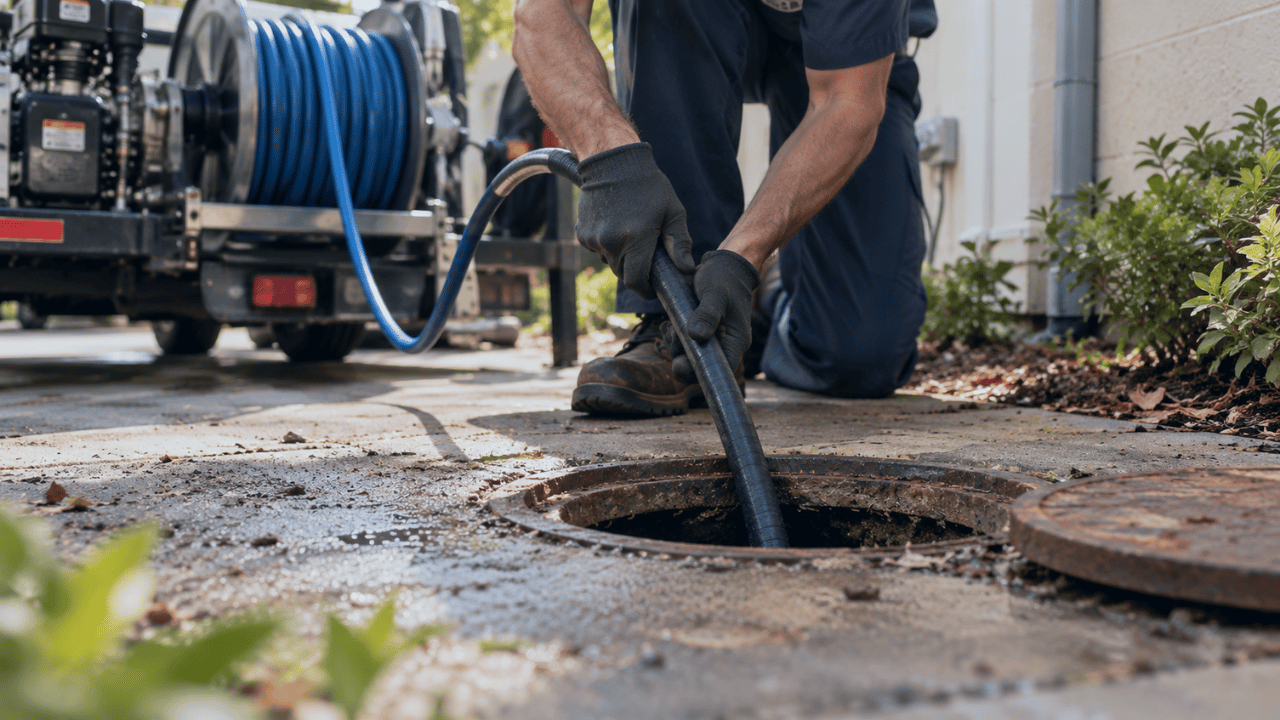
Hydro jetting takes a different approach. Instead of mechanically breaking through a blockage, specialized equipment sends high-pressure water through the plumbing line.
The water can remove grease, sludge, mineral deposits, and other debris that has accumulated inside the pipe. Rather than simply creating an opening through a clog, hydro jetting can clean buildup from a larger portion of the pipe's interior.
This can make hydro jetting especially useful for recurring clogs caused by material that continues to accumulate along the pipe walls.
Grease is a good example. The EPA notes that fats, oils, and grease can contribute to sewer blockages, which is one reason keeping grease out of household drains is an important part of preventing plumbing problems.
Hydro Jetting vs. Drain Snaking: What's the Difference?
The biggest difference is how each method addresses the blockage.
A drain snake physically works through or removes an obstruction. If a clump of hair or another localized blockage is preventing water from moving through the pipe, snaking may be enough to restore proper drainage.
Hydro jetting uses pressurized water to clear the obstruction while also removing buildup from the interior walls of the pipe. That broader cleaning action can be useful when grease, sludge, scale, or recurring accumulation is contributing to the problem.
In practical terms, snaking is often about opening the drain, while hydro jetting can be about cleaning the line more thoroughly.
That does not mean hydro jetting should automatically be used for every clogged drain. The right method depends on both the blockage and the plumbing system itself.
When Is Drain Snaking a Better Choice?
Drain snaking may be appropriate for relatively straightforward clogs that can be reached and removed mechanically.
For example, a plumber may use a drain snake when dealing with:
- Hair and soap buildup in bathroom drains
- Localized sink or shower clogs
- Certain solid obstructions
- A blockage that does not require a more extensive pipe cleaning
- Plumbing that may not be suitable for high-pressure water
Snaking can also help a plumber determine how a blockage responds before deciding whether additional drain-cleaning methods are necessary.
If a clog becomes severe enough to cause wastewater to back up into the home or creates another urgent situation, it is important to know what qualifies as a plumbing emergency rather than repeatedly trying to clear the drain yourself.
 When Is Hydro Jetting a Better Choice?
Hydro jetting may be recommended when the problem involves more than a single obstruction.
Over time, grease, sludge, mineral deposits, and other debris can collect inside a drain or sewer line and restrict the space available for wastewater to flow. Clearing one portion of the blockage may restore drainage temporarily without removing the material contributing to the problem.
The EPA's guidance on caring for household wastewater systems advises keeping cooking grease, oils, coffee grounds, and other clog-forming materials out of drains.
Hydro jetting can be useful for:
- Heavy grease and sludge buildup
- Recurring drain clogs
- Debris coating the interior of a pipe
- Certain sewer-line blockages
- Preventive cleaning when appropriate for the plumbing system
Because hydro jetting uses substantial water pressure, however, the condition of the pipe matters.
Is Hydro Jetting Safe for All Pipes?
No drain-cleaning method should be chosen without considering the plumbing system it will be used on.
Older, deteriorated, cracked, or otherwise weakened pipes may not be good candidates for high-pressure hydro jetting. A plumber may need to assess the condition of the line before determining whether the method is appropriate.
In some situations, a camera inspection can provide a clearer picture of what is happening inside the line. This can help identify the location and nature of a blockage while also revealing problems such as damaged pipe, corrosion, or root intrusion.
That diagnosis matters because repeatedly clearing a clog will not solve the problem if the real cause is a damaged or failing pipe.
Does Hydro Jetting Prevent Future Clogs?
Hydro jetting can provide a more thorough cleaning, but no drain-cleaning method can guarantee that a pipe will never clog again. What goes down your drains after the line has been cleaned still matters.
Avoid pouring cooking grease and oil into the sink, be careful with food waste, use drain screens where appropriate, and pay attention when a drain repeatedly begins slowing down. If the same drain continues to clog despite being cleared, the problem may warrant a closer inspection.
If a serious backup does occur, knowing what to do before your emergency plumber arrives can help you respond while professional assistance is on the way.
How Do You Know Which Drain-Cleaning Method You Need?
You do not necessarily need to decide between hydro jetting and drain snaking yourself.
The symptoms can provide clues, but they do not always reveal exactly what is happening inside a pipe. A slow kitchen sink might be caused by grease buildup near the drain, while several slow drains throughout the home could point to a problem farther down the plumbing system.
A plumber can consider where the problem is occurring, whether it keeps returning, what is likely causing the blockage, and the condition of the pipes before recommending a cleaning method.
That is especially important when a clog continues returning after it has already been cleared. At that point, the goal should be to understand why the blockage keeps developing rather than simply restoring flow temporarily.
Clear the Clog and Address What's Causing It
Hydro jetting and drain snaking are both useful tools, but they solve drain problems in different ways. Snaking can be effective for breaking through or removing a localized clog, while hydro jetting provides a more thorough cleaning when buildup throughout the line is contributing to the problem.
The better option depends on your pipes and the type of blockage you're dealing with.
If your drains are slow, repeatedly clogging, or backing up, contact Always Plumbing & Drains about professional hydro jetting and drain cleaning. Our team can evaluate the problem and determine which cleaning method makes sense for your plumbing system.