
You clear a clogged drain, the water starts flowing again, and everything seems fine. Then a few weeks later, the same sink, shower, or tub starts draining slowly all over again.
When a drain keeps clogging, the problem may be more than whatever is blocking it at that moment. Recurring clogs can develop because material continues building up inside the pipe, something keeps going down the drain that should not, or there is a deeper issue within the drain or sewer line.
Understanding why your drains keep clogging can help you determine whether you are dealing with a simple household blockage or a plumbing problem that needs professional attention.
Why Does the Same Drain Keep Clogging?
A drain can start flowing again without being completely clean.
A plunger or drain snake may create enough space for water to pass through a blockage, but grease, soap residue, hair, mineral deposits, and other debris can remain along the inside of the pipe. As more material collects, the opening gradually becomes restricted again.
That is one reason the same drain may seem to clog over and over.
Always Plumbing & Drains uses several approaches to professional drain cleaning, including drain snaking and hydro jetting, depending on the blockage and the condition of the plumbing system.
What Commonly Causes Recurring Drain Clogs?
Different drains tend to collect different types of debris. Knowing what commonly goes down a particular drain can provide a useful clue about why it keeps slowing down.
Hair and Soap Buildup
Bathroom sinks, showers, and tubs regularly handle hair, soap, shampoo, and other personal-care products.
Hair can become tangled inside the drain and catch additional debris as water passes through. Soap residue can also collect along the pipe walls, gradually narrowing the space available for water to flow.
A drain screen can help catch hair before it enters the plumbing, but an existing blockage may need to be removed before normal drainage returns.
Grease, Oil, and Food Waste
Kitchen drains face a different set of problems.
Cooking grease and oil may enter the sink as liquids, but that does not mean they will move cleanly through the plumbing system. Grease can accumulate inside pipes and contribute to increasingly restrictive blockages.
The EPA identifies fats, oils, and grease as materials that can contribute to sewer blockages and also warns that products such as wipes can create problems within sewer systems.
Keeping cooking grease, coffee grounds, and unnecessary food waste out of the drain can help reduce the amount of material available to form another clog.
Items That Shouldn't Be Flushed
Toilets and sewer lines can also develop recurring problems when materials that do not break down easily are flushed.
The EPA recommends flushing only human waste and toilet paper and specifically advises against flushing items such as wipes, feminine hygiene products, dental floss, diapers, paper towels, and other household waste. EPA guidance on what should and shouldn't go down household drains provides additional recommendations for protecting wastewater systems.
Even products marketed as flushable can contribute to sewer problems.
 Could the Problem Be Deeper in the Plumbing System?
Yes. If clogs keep returning despite changes in what you put down the drain, the blockage may not be the only issue.
A damaged pipe, root intrusion, a problem with the sewer line, or heavy accumulation farther down the system can interfere with drainage. In those cases, clearing the material you can reach may provide temporary relief without correcting the underlying cause.
Pay attention to how many drains are affected. One slow bathroom sink may point toward a localized problem. Multiple drains slowing down or backing up around the same time can indicate an issue farther into the drainage system.
If wastewater begins backing up into fixtures or you are unsure whether the situation can wait, knowing what qualifies as a plumbing emergency can help you determine when professional attention is more urgent.
Why Doesn't a Drain Snake Always Fix the Problem?
Drain snaking is useful for many clogs because the cable can break through or retrieve an obstruction and restore water flow.
But restoring flow and thoroughly cleaning the pipe are not always the same thing.
If substantial material remains along the pipe walls, the drain may become restricted again as new debris attaches to the existing buildup. This is one reason plumbers may recommend a different cleaning method when the same problem repeatedly returns.
For heavier accumulation, hydro jetting uses high-pressure water to clean drain and sewer lines. Always Plumbing notes that the method can address grease, sludge, debris, and certain other difficult blockages, although a professional should first determine whether hydro jetting is appropriate for the condition of the pipes.
Should You Keep Using Chemical Drain Cleaners?
Repeatedly pouring chemical drain cleaner into a slow drain is not necessarily the best approach to a recurring problem.
Always Plumbing & Drains does not recommend chemical drain cleaners, as its professional drain-cleaning guidance notes that these products can damage pipes without fully solving the underlying problem.
If the drain continues clogging after repeated attempts to clear it, identifying what is happening inside the line becomes more useful than continuing to treat the symptom.
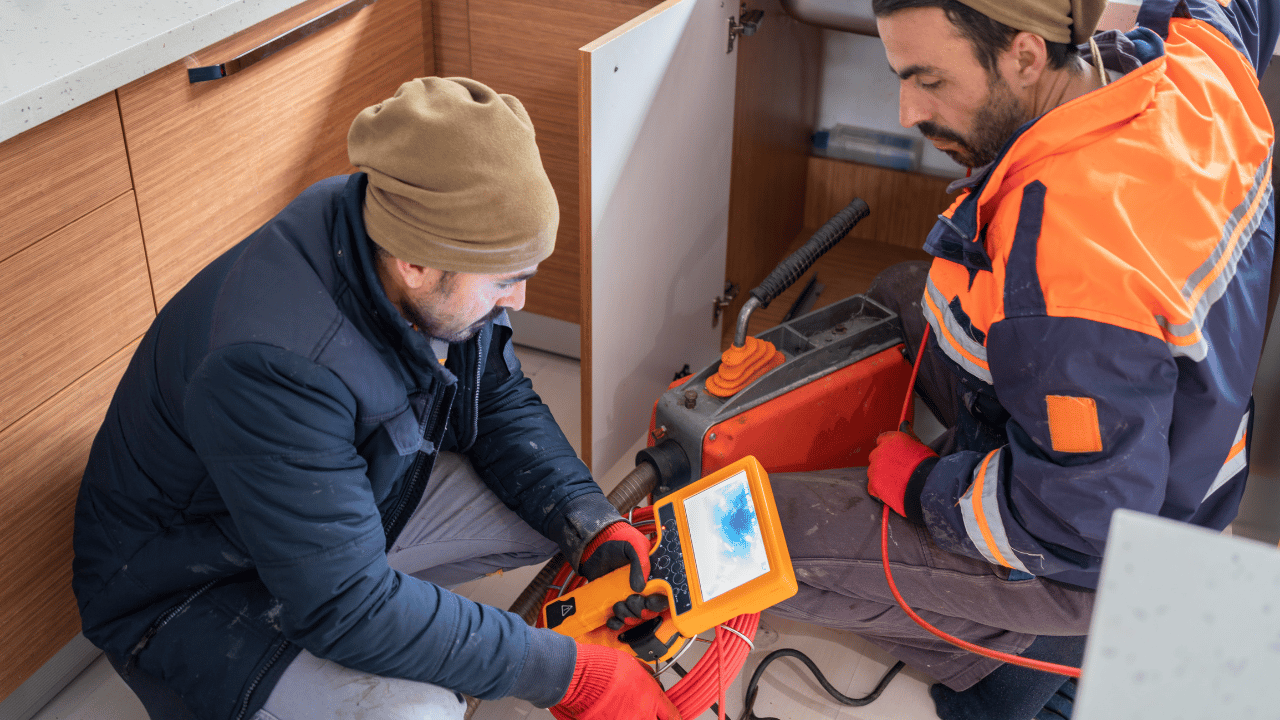
A plumber may recommend a camera inspection when the cause or location of a recurring blockage is unclear. This can help reveal buildup, damage, root intrusion, or other conditions that may be contributing to the problem.
How Can You Help Prevent Drains From Clogging Again?
Prevention starts with being more selective about what enters your plumbing system.
Use drain screens to catch hair and debris, keep cooking grease and oil out of kitchen sinks, and avoid treating the toilet like a trash can. Paying attention to slow drainage can also help you address a developing problem before the line becomes completely blocked.
Routine maintenance may also be worthwhile for plumbing systems that are particularly prone to buildup. Always Plumbing's drain maintenance services include inspection and cleaning intended to identify and address drainage issues before they become more disruptive.
When Should You Call a Plumber for a Recurring Clog?
A single minor clog does not always require professional drain cleaning. A clog that repeatedly returns is different.
Consider having the problem inspected if the same drain keeps slowing down, several fixtures are affected, you hear unusual gurgling, wastewater backs up into another fixture, or previous attempts to clear the blockage only provide temporary relief.
If a backup becomes severe while you are waiting for professional help, our guide on what to do before your emergency plumber arrives covers practical steps you can take without creating additional risk.
Stop Treating the Same Clog Over and Over
If your drain keeps clogging, repeatedly opening it may not address why the problem keeps returning. The real solution depends on whether you are dealing with everyday debris, buildup along the pipe walls, or a problem deeper within the plumbing system.
Always Plumbing & Drains can inspect the problem and determine the appropriate way to clear the line. If you're tired of dealing with the same slow or clogged drain, schedule professional drain cleaning with Always Plumbing & Drains to get to the source of the problem.